Not every smile concern requires a dramatic transformation. Sometimes, addressing a small chip, closing a minor gap, or improving the shape of a tooth can make a noticeable difference in your confidence.
One of the most versatile treatments for these minor cosmetic concerns is cosmetic bonding. Using a tooth-colored composite resin, your dentist can enhance the appearance of a tooth while preserving much of its natural structure. Because treatment is tailored to each patient’s goals, cosmetic bonding is often an excellent option for individuals seeking subtle, natural-looking improvements.
At Brookside Family Dentistry, we believe cosmetic dentistry should begin with education. Understanding what cosmetic bonding can and cannot accomplish allows you to make informed decisions about your smile while choosing a treatment that fits your needs and expectations.
What Is Cosmetic Bonding?
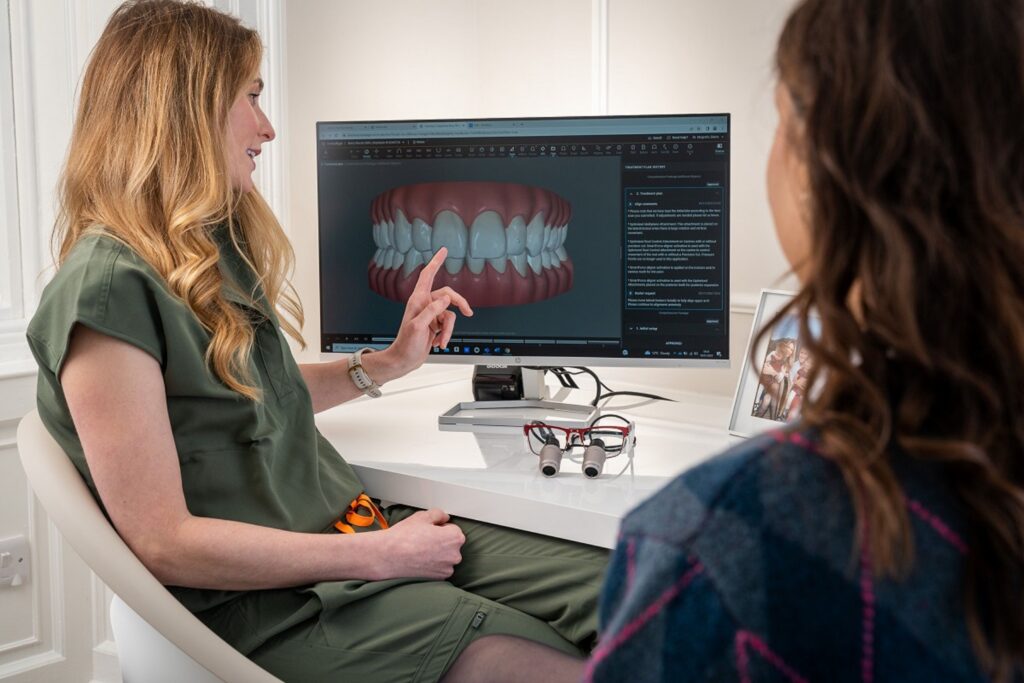
Cosmetic bonding is a treatment that uses a durable, tooth-colored resin to improve the appearance of a tooth. The material is carefully shaped, sculpted, and polished so it blends naturally with the surrounding teeth.
Because the resin is matched to the color of your smile, the final result is designed to look natural rather than obvious.
Unlike treatments that involve more extensive preparation, cosmetic bonding is often a conservative way to address small cosmetic concerns while preserving healthy tooth structure whenever possible.
What Types of Smile Imperfections Can Cosmetic Bonding Fix?
Cosmetic bonding is designed for small to moderate cosmetic improvements rather than major changes to your bite or overall smile.
Your dentist will evaluate your goals, oral health, and the condition of your teeth before determining whether bonding is the most appropriate option.
Some of the most common concerns cosmetic bonding can improve include:
Small Chips
A chipped tooth can happen from biting into hard foods, sports injuries, or everyday accidents.
Even if the chip is minor, it may affect the appearance of your smile or create a rough edge that catches on your tongue.
Cosmetic bonding can restore the missing portion of the tooth, helping recreate its natural shape while blending with the surrounding enamel.
Small Gaps Between Teeth
Not every space between teeth requires orthodontic treatment.
For carefully selected cases, cosmetic bonding may be used to close small gaps by reshaping one or both teeth. This approach may be appropriate when spacing is minimal and your bite does not require orthodontic correction.
For patients with larger spacing concerns or alignment issues, Invisalign® may be recommended instead. Your dentist will explain which treatment best supports your long-term oral health.
Uneven Tooth Shape or Size
Some people naturally have teeth that appear shorter, uneven, or slightly misshapen.
Cosmetic bonding can reshape these teeth by adding carefully placed composite resin, creating a more balanced and symmetrical smile while maintaining a natural appearance.
Rather than creating a completely different smile, bonding often focuses on subtle refinements that complement your existing teeth.
Minor Discoloration
Some stains or discoloration do not respond as expected to teeth whitening, particularly when discoloration is caused by previous trauma, older dental work, or developmental changes.
In these situations, cosmetic bonding may help improve the appearance of an individual tooth by covering localized discoloration with tooth-colored resin that closely matches your surrounding teeth.
This can be an effective option when only one or two teeth are affected rather than the entire smile.
Worn Tooth Edges
Over time, normal wear may cause the edges of teeth to become shorter or uneven.
For some patients, cosmetic bonding can rebuild these small areas, helping restore a smoother, more youthful appearance while maintaining proper function.
Treatment recommendations are always based on the health of your teeth and the amount of natural tooth structure that remains.
When Might Another Cosmetic Treatment Be a Better Choice?
While cosmetic bonding offers many benefits, it is not the ideal solution for every situation.
If you are looking to make more significant changes to the size, shape, or color of multiple teeth, porcelain veneers may be recommended. Veneers cover the front surface of the tooth and are often used as part of a more comprehensive cosmetic treatment plan.
Likewise, if your primary concern is crooked or crowded teeth, Invisalign® may be a more appropriate option because it addresses tooth alignment rather than simply changing appearance.
The right treatment depends on your smile goals, oral health, lifestyle, and long-term expectations. During your consultation, your dentist will explain the advantages and considerations of each option so you can make an informed decision.
What to Expect During a Cosmetic Bonding Appointment
Every patient’s treatment is unique, but cosmetic bonding generally begins with a conversation about your goals.
Your dentist will examine your teeth, discuss the areas you would like to improve, and determine whether bonding is the most appropriate treatment. If so, the composite resin is carefully selected to match the color of your natural teeth before being skillfully shaped and polished.
Throughout the process, Brookside Family Dentistry focuses on creating results that complement your smile rather than dramatically changing it.
How to Care for Bonded Teeth
Although cosmetic bonding is durable, good oral hygiene and healthy habits help maintain your results.
To help protect bonded teeth:
- Brush twice a day using fluoride toothpaste.
- Floss every day.
- Schedule routine dental exams and cleanings.
- Avoid chewing on hard objects such as ice or pens.
- Wear a mouthguard during sports or if you grind your teeth.
- Follow your dentist’s recommendations for ongoing preventative dental care.
Regular dental visits allow your dentist to monitor both your natural teeth and bonded restorations while helping you maintain a healthy smile.
Is Cosmetic Bonding Right for You?
Cosmetic bonding can be an excellent option for patients seeking conservative improvements to their smile without extensive treatment.
If you have a small chip, minor gap, uneven tooth shape, or localized discoloration, bonding may provide a natural-looking enhancement while preserving healthy tooth structure.
The best way to determine whether cosmetic bonding is right for you is through a personalized consultation. Every smile is unique, and treatment recommendations should always be based on your individual goals and oral health.
Conclusion
Small cosmetic concerns can sometimes have a bigger impact on your confidence than you realize. Fortunately, not every smile improvement requires extensive treatment. Cosmetic bonding offers a conservative way to enhance your smile by correcting small imperfections while maintaining a natural appearance.
If you’re interested in learning whether cosmetic bonding is the right choice for your smile, contact Brookside Family Dentistry to schedule a consultation. Our team is committed to providing personalized recommendations, patient education, and comprehensive care that helps you feel confident in every stage of your dental journey.
Frequently Asked Questions
Is cosmetic bonding only used for chipped teeth?
No. Cosmetic bonding can also improve small gaps between teeth, uneven tooth shape, minor discoloration, and worn tooth edges. Your dentist will determine whether bonding is appropriate based on your individual smile goals.
How is cosmetic bonding different from porcelain veneers?
Both treatments improve the appearance of teeth, but they serve different purposes. Cosmetic bonding is often recommended for smaller cosmetic corrections, while porcelain veneers may be better suited for patients seeking more comprehensive smile enhancements.
Does cosmetic bonding look natural?
Yes. The composite resin is carefully selected to match the shade of your natural teeth, helping the restoration blend seamlessly with your smile.
Can cosmetic bonding be combined with other cosmetic treatments?
Yes. Depending on your goals, cosmetic bonding may be combined with treatments such as teeth whitening or Invisalign® as part of a personalized treatment plan.
How do I know if cosmetic bonding is the right treatment for me?
The best way to find out is through a consultation. Your dentist will evaluate your oral health, discuss your goals, and recommend the treatment option that best fits your needs.
How can I help my cosmetic bonding last longer?
Maintaining good oral hygiene, attending regular dental exams and cleanings, and avoiding habits that may damage your teeth can help protect your bonded teeth and support your long-term oral health.



